
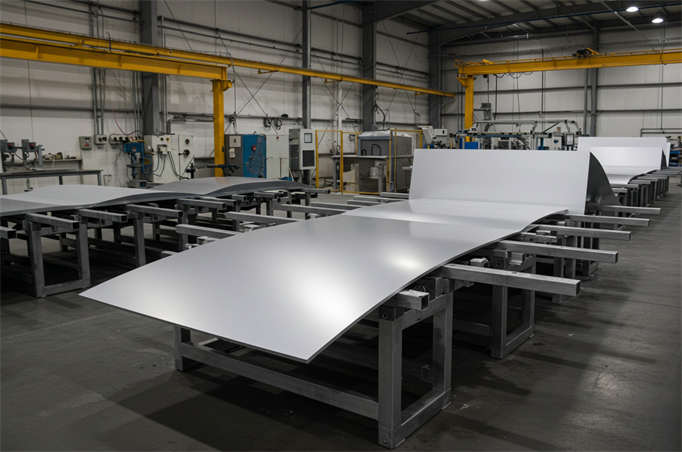

Picture this: You are a homeowner tired of fixing your gutter every season. Gutter Coil thickness plays a big role in how well your gutters stand up to storms, snow, and debris. Thicker coils handle more weight and last longer. You protect your home better when you choose the right thickness and material for your climate and house style.
Principales conclusiones
- Pick thicker gutter coils, like .032 inches, for stronger gutters. Thicker coils last longer, especially in bad weather.
- Think about your local weather when picking coil thickness. Thicker coils work better with lots of rain or snow.
- Heavy-duty coils cost more at first but save money later. You will spend less on fixing or replacing gutters.
- Check your gutters often for dents or sagging. These problems mean you might need thicker coils.
- Ask a professional if you do not know which coil to use. Getting expert help can stop expensive mistakes.
Gutter Coil Thickness Explained
What Is Gutter Coil Thickness
You may wonder what gutter coil thickness means for your home. Gutter coil thickness tells you how strong and sturdy your gutter will be. The coil is a roll of metal that professionals shape into gutters. Thicker coils make gutters that can handle more weight and last longer. You use gutter coil to create seamless gutters that move rainwater away from your house.
Gutter coil is not the same as aluminum trim coil. You use aluminum trim coil to wrap and protect the edges of your roof, windows, and doors. It gives your home a clean look and shields trim from weather. Trim coil is usually thinner than gutter coil. The table below shows the main differences:
| Tipo | Gama de espesores (pulgadas) | Width Range (inches) | Descripción de la aplicación |
|---|---|---|---|
| Trim Coil | 0.018 to 0.024 | 24 to 36 | Used for wrapping and protecting exterior trim, providing a clean look and weather protection. |
| Gutter Coil | 0.027 to 0.032 | 11.75 to 20 | Used for making gutters to move rainwater away from the house, essential for new installations and replacements. |
How Thickness Is Measured
You measure gutter coil thickness in inches or by gauge. Most gutter coils range from .0175 to .032 inches thick. The most common sizes are .027″ and .032″. Thicker coils give you stronger gutters. The table below shows standard thicknesses for different materials and gutter sizes:
| Material | Thicknesses |
|---|---|
| Aluminio | 0.027″ |
| Aluminio | 0.032″ |
| Acero | 26-gauge |
| Gutter Size | Thicknesses |
|---|---|
| 5″ | .027″ |
| 5″ | .032″ |
| 6″ | .027″ |
| 6″ | .032″ |
| 7″ | .032″ |
Manufacturers check coil thickness with special tools. They use mill test reports to make sure the coil meets industry standards. Some companies also get third-party certifications to show their coils stay within a tight tolerance. This helps you trust that your gutter will last and protect your home.
Gutter Coil Thickness & Durability
Impact on Longevity
Picking the right gutter coil thickness helps your gutters last longer. Thicker coils make gutters stronger. They help gutters handle heavy rain and snow. They also protect against falling branches. If you want gutters to last, think about how strong and long-lasting they are.
Most homes use aluminum gutter coil that is .027″ thick. This is the standard size. But .032″ aluminum gutters are even stronger. These gutters can last up to 20 years. That is longer than some roofs. You get more for your money with thicker coils. Your home stays safe for a longer time.
Here is a simple table to show the difference:
| Gauge | Espesor | Durabilidad | Aplicaciones |
|---|---|---|---|
| .027″ | Más fino | Not as strong, good for lighter jobs | Used when weight matters |
| .032″ | Más grueso | Very strong, best for most gutters | Great for seamless gutters, less likely to dent |
If you live where weather is rough, .032″ gutters are a smart choice. They last longer and are tougher. You will not need to fix or replace them as often.
Resistance to Damage
Durability means your gutters can handle tough things. Thicker gutter coil helps gutters resist dents and bends. It also stops cracks from forming. If a branch falls or ice builds up, thick gutters keep their shape. You will not see many dents or sagging.
You want gutters to work well after storms. Thicker coils help gutters stay strong. They do not bend much when installed. This keeps gutters looking good and working well for years.
- Most aluminum gutter coils are .027″ thick.
- .032″ is better because it is stronger.
- .032″ does not dent easily and keeps its shape.
If you want the best gutter system, think about durability. Thicker coils cost more at first. But you save money later. You will not need many repairs. Your home stays safe from water damage. You can relax knowing your gutters are ready for bad weather.
Gutter Performance by Climate

Cold Weather & Snow Loads
You need to think about your local weather when choosing a gutter coil. In cold areas with heavy snow, gutters face extra stress. Snow and ice can build up and add weight. If your gutters are not strong enough, they may bend or break.
- Homes in places like Kansas City and Berkshire County use thicker .032-inch aluminum coil for gutters.
- This thicker coil gives your gutter more strength to handle snow loads.
- Premium gutter systems use high-grade aluminum to resist sagging and damage.
- Standard .027-inch aluminum may work in milder climates, but it can buckle under heavy snow.
A thicker gutter coil helps your gutter last longer in cold weather. You will not need to worry about repairs after every winter storm.
Hot, Humid, or Rainy Regions
If you live in a hot, humid, or rainy area, your gutter faces different challenges. Heavy rain can fill gutters quickly. Humidity and heat can cause metal to expand and contract. You want a gutter that can handle lots of water and resist warping.
| Climate Type | Recommended Thickness | Razón |
|---|---|---|
| Mild/Light Rain | .027-inch | Handles normal rainfall |
| Heavy Rain/Storms | .032-inch | Extra strength for water weight |
| Hot & Humid | .027 or .032-inch | Resists warping and corrosion |
Choose a gutter coil that matches your local weather. In rainy regions, a .032-inch gutter gives you peace of mind during storms. In hot climates, a strong coil helps your gutter keep its shape year after year.
Tip: Always match your gutter coil thickness to your local climate. This helps your gutter last longer and protects your home from water damage.
Gutter Coil Materials Compared
Aluminum Gutter Coil & Aluminum Trim Coil
Aluminum is used a lot in gutters. It is light and does not rust. Aluminum gutter coil is easy to shape. It is simple to install. Many people pick it because it is strong and not too expensive. Some brands, like Yutwin Aluminum Foil, make good coil that meets standards. Aluminum trim coil is thinner. It wraps trim but does not make gutters.
| Material | Durabilidad | Maintenance Requirements |
|---|---|---|
| Aluminio | Durable but less so than copper, lightweight, rust-resistant | Susceptible to dents, requires some maintenance but generally practical |
Aluminum gutter coil comes in .027″ and .032″ thickness. Thicker coil makes gutters stronger. Strong gutters do not dent easily and last longer. Aluminum is a good deal, but you should check for dents after storms.
Steel Gutters
Steel gutters are very strong. They work well in bad weather. They do not get damaged by branches or debris. Thicker steel gutters protect better against damage. Some steel gutters have coatings like zinc or stainless steel. These coatings help stop rust.
- Steel gutters are stronger than aluminum.
- They do not dent easily and hold heavy loads.
- Steel can rust, so you need to paint or fix them often.
- Coatings like galvanized zinc or stainless steel make them last longer.
Steel is good if you want tough gutters. You must do regular maintenance to stop rust.
Copper Gutters & Longevity
Copper gutters are a top choice. They last a very long time. Some last over 50 years. Copper does not rust or corrode. Thick copper coil, like sheets over 1.0mm, does not dent easily. It can hold heavy loads. Copper gets a patina over time. This patina protects the gutter and means less work for you.
| Material | Durabilidad | Maintenance Requirements |
|---|---|---|
| Cobre | Very durable, lasts for decades, resistant to corrosion and weathering | Requires very little maintenance, patina acts as a protective layer |
Copper gutters cost more. But they last longer and look nice. If you want gutters that need little care and last many years, copper is a smart choice.
Pros & Cons of Gutter Coil Thicknesses
Thin vs. Heavy-Duty Coils
You face a choice between thin and heavy-duty coils when you select a gutter system. Thin coils cost less and weigh less. You can install them quickly. These coils work well in areas with mild weather. They offer enough durability for homes that do not face heavy storms or snow. Thin coils also give you a cost-effective choice if you want to save money upfront.
Heavy-duty coils bring more durability and strength. You get better resistance to dents and bending. These coils handle more weight and have higher capacity. If you live in a place with harsh weather, heavy-duty coils protect your home better. They also give you low maintenance because they do not need repairs as often. You see more value in heavy-duty coils if you want your gutter to last longer.
| Coil Type | Pros | Contras |
|---|---|---|
| Delgado | Lower cost, easy to install | Less durability, dents easily |
| Servicio pesado | High durability, strong resistance | Higher cost, heavier |
Coste vs. Rendimiento
You need to balance cost and performance when you choose coil thickness. Thin coils save you money at first. They may not last as long, so you might pay more for repairs or replacement. Heavy-duty coils cost more, but they offer better durability and weather resistance. You spend less on maintenance over time.
Aluminum coils give you good cost-effectiveness. They resist rust and last for years. You get more value from heavy-duty coils if you want a gutter system that stands up to tough weather. The right gutter system gives you peace of mind and protects your home for many years.
Tip: Think about your local weather, your budget, and how much maintenance you want to do. Choose the coil that gives you the best mix of durability, value, and cost-effectiveness.
Choosing the Right Gutter Coil for Your Home
Assessing Home & Climate Needs
You want your gutter system to protect your home for years. Start by looking at your local weather. If you live in a place with heavy rain, snow, or strong winds, you need a thicker coil. Thicker materials cost more, but they give you greater strength and durability. You get more value from a gutter coil that stands up to harsh conditions.
Think about your home’s design and size. Larger roofs need bigger gutters and stronger coils. The right gutter size helps move water away from your house. If you have copper gutters, you enjoy low maintenance and long-lasting protection. Copper resists rust and adds beauty to your home improvement project.
Here are some things you should consider:
- Check the weather in your area. Harsh climates need thicker and stronger materials.
- Look at your home’s architectural style. Some homes need special gutter shapes or sizes.
- Decide on your budget. Thicker coils and copper cost more, but they last longer.
- Think about how much maintenance you want to do. Copper and heavy-duty coils offer low maintenance.
Tip: Choose the right gutter system by matching coil thickness and material to your home’s needs. You protect your investment and avoid costly repairs.
| Factor | Por qué es importante |
|---|---|
| Weather | Impacts durability and thickness |
| Home size/design | Determines gutter size and strength |
| Material (aluminum, copper, steel) | Affects lifespan and maintenance |
| Budget | Influences material and thickness |
When to Consult a Professional
You may feel unsure about which gutter coil fits your home best. A professional can help you make smart choices. You should seek expert advice if you have a complex roof, live in an area with extreme weather, or want to install copper gutters. Professionals know how to match gutter coil thickness to your home’s design and climate.
You should consult a professional when:
- You need to assess your home’s architectural style.
- You want to evaluate the local climate and its impact on your gutter system.
- You need help balancing your budget with long-term value.
A professional helps you select the right coil and gutter size. You get advice that fits your home improvement goals. You avoid mistakes and ensure your gutter system works well for years.
Note: Professional guidance gives you peace of mind. You get a gutter system that matches your home, climate, and budget. You save time and money by making informed decisions.
You make your home safer when you pick the right gutter coil thickness. Thick coils last a long time and do not get damaged easily. You should think about a few things:
- The weather where you live
- How strong the material is and how thick it is
- How much money you want to spend and how much work you want to do
If you want to make your gutter system better, you can:
- Put in seamless gutters so there are fewer leaks.
- Choose wider gutters to help with lots of rain.
- Add gutter guards so you do not have to clean as much.
Preguntas más frecuentes
What is the best thickness for residential gutters?
You should choose .027-inch for mild climates. For areas with heavy rain or snow, .032-inch works better. Thicker material gives you more strength and lasts longer.
How do I know if my gutters are too thin?
You may see dents, sagging, or leaks after storms. Thin gutters bend easily. If you notice these problems, you might need a thicker gutter coil.
Can I install gutters myself or should I hire a professional?
You can install gutters if you have the right tools and skills. For complex roofs or heavy materials, you should hire a professional. This ensures safety and proper installation.
Does gutter coil thickness affect maintenance?
Yes. Thicker coils resist dents and damage. You spend less time on repairs. Thinner coils may need more frequent checks and fixes.
Are copper gutters worth the higher cost?
Copper gutters last for decades and need little maintenance. They resist rust and add beauty to your home. If you want long-term value, copper is a smart choice.







 Español
  English
  Português do Brasil
  Русский
  العربية
  Français
