
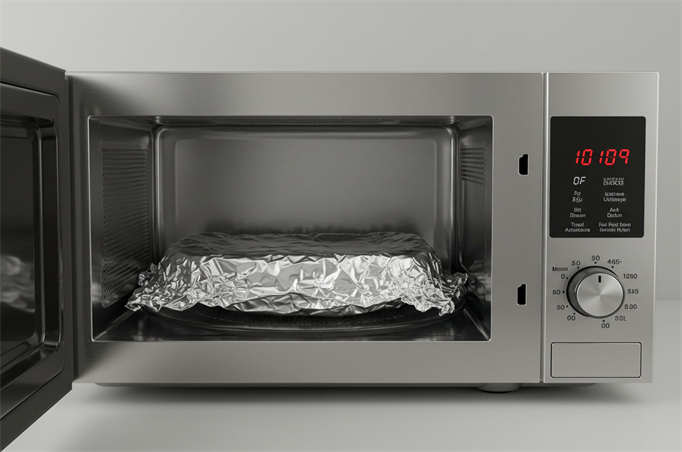
¿Se pueden meter productos de aluminio en el microondas?
Estimados profesionales del sector, expertos en adquisiciones y distribuidores de todo el mundo, bienvenidos a esta interesante entrada del blog que les ofrece Yutwin Aluminum Foil. Entendemos que en el vertiginoso mundo del comercio internacional, disponer de información precisa y fiable es crucial para tomar decisiones informadas.
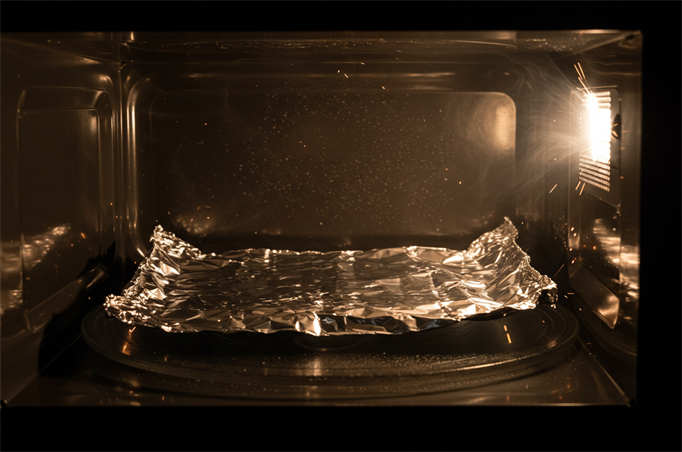
Hoy vamos a profundizar en un tema relevante y esencial para quienes trabajan en los sectores del envasado de alimentos y el menaje de cocina: el uso del aluminio en microondas. Como proveedor líder de productos de papel de aluminio de alta calidad, Yutwin Aluminum Foil se compromete no solo a suministrar materiales de primera calidad, sino también a garantizar que nuestros socios y clientes estén bien equipados con los conocimientos que necesitan para desenvolverse en esta dinámica industria.
Tanto si es usted un especialista en compras que busca ampliar su oferta de productos como si es un distribuidor que busca ofrecer las mejores soluciones a sus clientes, este post le proporcionará valiosos conocimientos sobre el uso seguro y eficaz del aluminio en aplicaciones de microondas. Empecemos a explorar cómo podemos optimizar el uso del aluminio manteniendo la seguridad y la eficiencia en la cocina.
En general, no debe calentar productos de aluminio en el microondas. He aquí las principales razones: Puede provocar chispas y dañar el aparato. El aluminio es un metal. Cuando un horno microondas calienta alimentos, produce microondas, y el metal refleja estas microondas, impidiendo que penetren en el aluminio para calentar los alimentos. Al mismo tiempo, las microondas pueden crear una diferencia de potencial eléctrico en la superficie del metal, lo que puede provocar una arco eléctrico (chispas), dañando el interior del microondas o componentes electrónicos como el magnetrón. Rendimiento de calefacción bajo y desigual Los productos de aluminio apantallan las microondas, por lo que los alimentos de su interior no pueden calentarse eficazmente, o la eficacia del calentamiento se reduce significativamente. Incluso si el propio producto de aluminio se calienta, es difícil que el calor se transfiera uniformemente a los alimentos, lo que puede provocar un calentamiento desigual. Circunstancias especiales
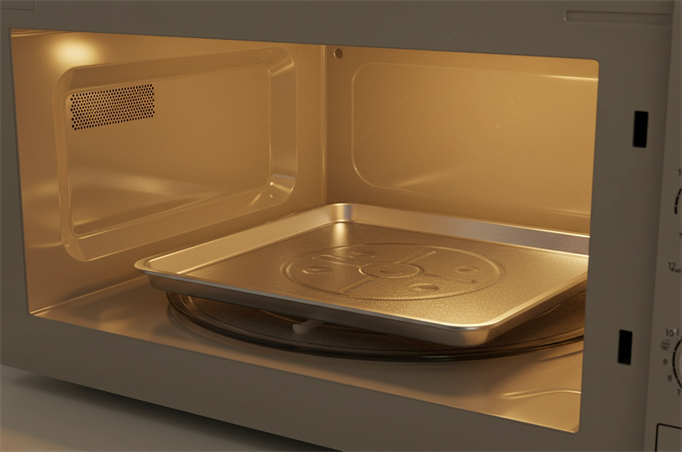
Envases de papel de aluminio: Algunos recipientes de papel de aluminio pueden calentarse en el microondas en determinadas condiciones, pero deben cumplir los siguientes requisitos: sólo se puede utilizar un recipiente cada vez; el recipiente no debe tocar las cuatro paredes del microondas, manteniendo al menos una distancia de 2 cm; el recipiente debe colocarse en el centro del microondas; y los alimentos deben llenar aproximadamente 80% de la capacidad del recipiente.
Productos de aluminio especialmente diseñados para microondas: Algunos productos de aluminio, como ciertos vaporizadores metálicos diseñados específicamente para microondas, tienen una forma lisa y redondeada con poca curvatura, lo que los hace menos propensos a provocar arcos eléctricos. Pueden utilizarse para métodos de cocción específicos. Recomendación Para evitar dañar su microondas y causar riesgos de seguridad, le recomendamos que no caliente productos ordinarios de aluminio en el microondas. Si necesita calentar alimentos, debe utilizar recipientes aptos para microondas, como los de cerámica, vidrio o plástico apto para microondas.
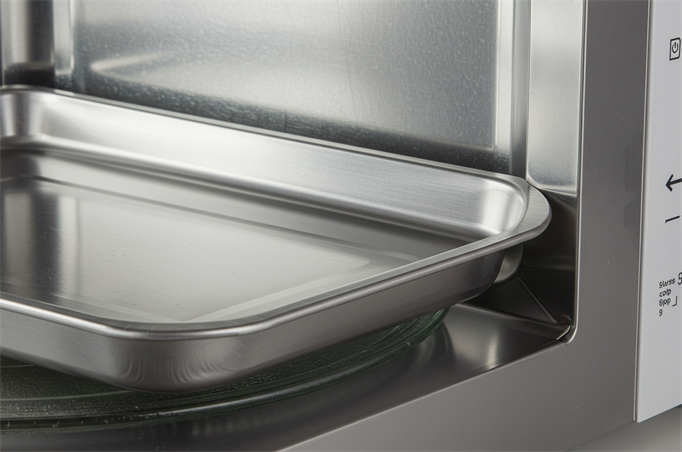
¿Cuáles son las precauciones para calentar recipientes de papel de aluminio en el microondas?
Cuando caliente recipientes de papel de aluminio en el microondas, debe prestar especial atención a los siguientes puntos:
Asegúrese de que el recipiente de papel de aluminio es apto para microondas
Comprueba la etiqueta: Algunos recipientes de papel de aluminio pueden haber sido sometidos a un tratamiento especial para hacerlos aptos para su uso en microondas. Antes de usarlos, compruebe si el recipiente tiene una etiqueta de “apto para microondas” u otras marcas similares.
Evite los envases de papel de aluminio puro: No recomendamos introducir en el microondas recipientes de papel de aluminio normales (que no hayan sido tratados especialmente), ya que el papel de aluminio puede reflejar las microondas, pudiendo provocar chispas y dañar el microondas.
Nivel de llenado de alimentos
Llene al menos 80%: La cantidad de comida en el recipiente de papel de aluminio debe llenar al menos 80% de la capacidad del recipiente. De lo contrario, los alimentos podrían quemarse.
Evitar el contacto con las paredes interiores del microondas
Mantén la distancia: El recipiente de papel de aluminio no debe tocar directamente las paredes interiores, la puerta o el fondo del microondas. Recomendamos utilizar un plato de cerámica o cristal debajo para evitar la formación de arcos eléctricos.
Mantén una distancia de 2 cm: El recipiente de papel de aluminio debe estar a una distancia mínima de 2 cm de otros componentes metálicos o de las paredes interiores del microondas.
Quitar la tapa
Abre la tapa: Debe quitar la tapa del recipiente de papel de aluminio antes de introducirlo en el microondas; de lo contrario, la comida no se calentará.
Tiempo y potencia de calentamiento
Bajo consumo, poco tiempo: Recomendamos utilizar una potencia baja y un tiempo de calentamiento más corto para reducir el riesgo de incendio y de lixiviación del aluminio.
Aumentar el tiempo de calentamiento: Debido al efecto reflectante de la lámina de aluminio, puede ser necesario aumentar el tiempo de calentamiento unos 10% en comparación con un recipiente no metálico.
Evitar el contacto con alimentos ácidos
Alimentos ácidos: Los envases de papel de aluminio no deben entrar en contacto con alimentos ácidos (como tomates, zumo de limón, etc.). Las sustancias ácidas pueden corroer el papel de aluminio, haciendo que los iones de aluminio se disuelvan en los alimentos, lo que es perjudicial para la salud humana.
Cuidado con las quemaduras
Quemaduras de alta temperatura: Los recipientes de papel de aluminio conducen el calor rápidamente y pueden calentarse mucho después de calentarse. Utilice pinzas o guantes aislantes al retirarlos para evitar quemaduras.
Supervisar el proceso de calentamiento
Observa atentamente: Debe vigilar de cerca el recipiente de papel de aluminio durante el calentamiento. Si se producen chispas, deformaciones o grietas, deje de calentar inmediatamente.
Single-use
Avoid reusing: We do not recommend reusing single-use aluminum foil containers. They should be cleaned and recycled after use.
Other recommendations
Use alternative containers: If you are unsure whether an aluminum foil container is suitable for the microwave, we suggest you transfer the food to a ceramic, glass, or microwave-safe plastic container for heating.
In conclusion, while some aluminum foil containers can be used in the microwave, you must strictly follow the above precautions to ensure safety and effective food heating.
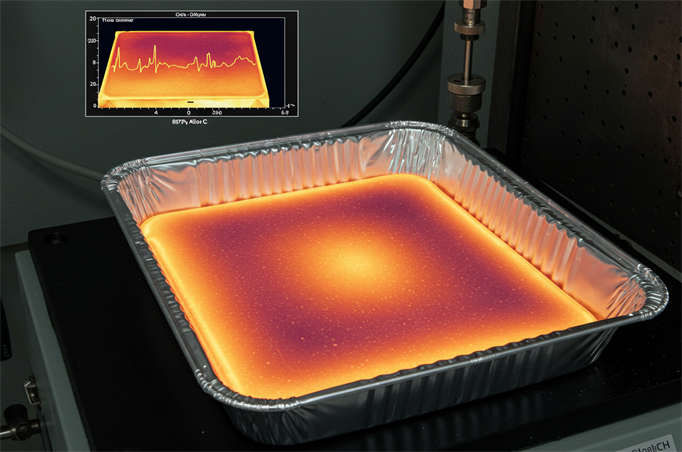
What happens if you put an aluminum can in the microwave?
You should not put an aluminum can in the microwave for the following main reasons:
Microwave reflection and sparks
An aluminum can is a metal product. The microwaves generated by the microwave oven will be reflected by the aluminum can, preventing them from penetrating the metal to heat the food inside. At the same time, when microwaves come into contact with metal, they cause the electrons on the metal’s surface to move at high speeds, which can easily create sparks and even cause a fire.
Sealing risks
Aluminum cans are usually sealed. If you put a sealed can directly into the microwave, the liquid or food inside will heat up and create a large amount of steam and pressure. This can cause the can to burst, not only damaging the microwave but also potentially causing a safety accident.
Poor heating effect
Since the aluminum can reflects microwaves, even if you open the can, the microwaves will struggle to effectively heat the food inside, making the heating efficiency extremely low. Circunstancias especiales Although traditional aluminum cans cannot be put in the microwave, some new technologies are trying to solve this problem. For example, Japan’s Daiwa Can Company has developed a device called “Non-Spark Cap™.” Through a special design, it is installed at the bottom of the can, keeping the can at a proper distance from the microwave’s base. This prevents the microwaves from concentrating on the metal bottom, thereby reducing electron emission and preventing sparks. However, this technology is still in the promotion stage, and it is difficult for ordinary consumers to access it at present. Recomendación To avoid damaging your microwave and causing safety hazards, we recommend you pour the food from the aluminum can into a microwave-safe ceramic, glass, or plastic container before heating.
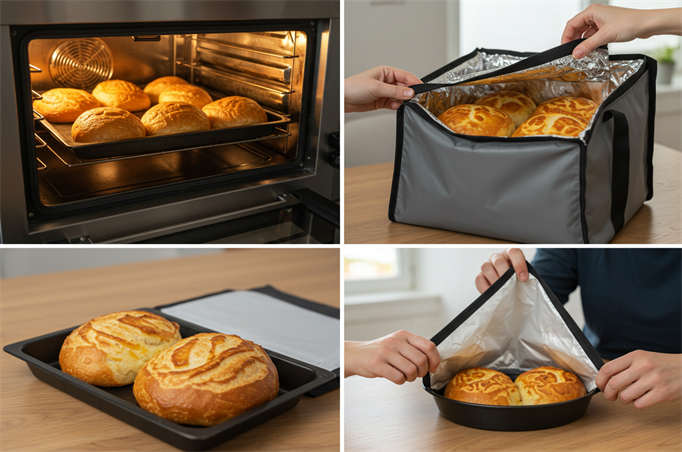
Can food in aluminum containers be reheated?
Whether food in an aluminum container can be reheated depends on the heating method and the specific situation. Here are the relevant explanations: Using a microwave oven for heating Aluminum containers cannot be put in the microwave for heating. Aluminum reflects microwaves, preventing them from penetrating the container to heat the food. It can also cause sparks, damage the microwave, or even start a fire. Using other heating methods If you use a traditional stovetop or other non-microwave heating methods, you can reheat food in an aluminum container, but you need to pay attention to the following points:
Avoid heating acidic foods: Aluminum may leach in small amounts in high-temperature or acidic environments. Long-term, excessive intake of aluminum can pose potential risks to the nervous system and bones.
Prevent container damage: Do not use sharp or metal utensils to scrape the inside of the aluminum container, as this can accelerate the dissolution of the aluminum material.
Control heating time and temperature: Avoid long-term high-temperature heating, especially continuous boiling for more than 2 hours. Health effects Aluminum is a metal with very high chemical stability, but it can be dissolved when it comes into contact with acidic substances or under high temperatures. Excessive intake of aluminum by the human body can cause nervous system dysfunction, gastrointestinal diseases, osteoporosis, and other health problems. Recomendación If you need to reheat food in an aluminum container, we recommend transferring the food to another suitable container for heating, such as a ceramic, glass, or stainless steel container.
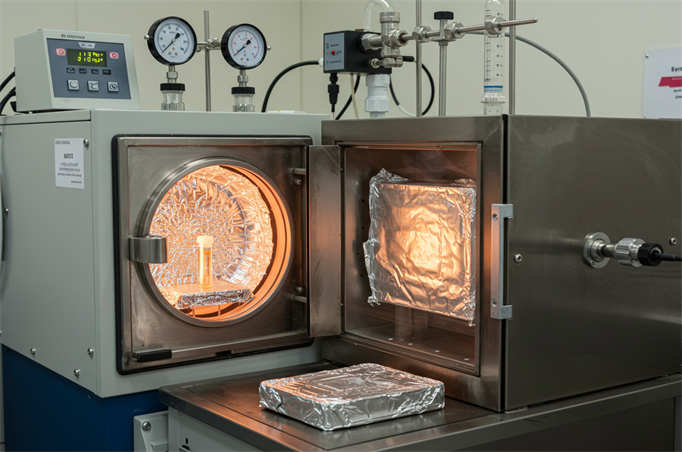
Can food wrapped in aluminum foil be heated in the microwave?
We do not recommend putting food wrapped in aluminum foil in the microwave for the following reasons:
Microwave reflection and safety hazards
Aluminum foil is a metal. Microwaves cannot penetrate the metal and will be reflected. This not only prevents the food from being heated but can also cause electrical sparks in the microwave, damaging components like the magnetron or even starting a fire.
Uneven food heating
Since the aluminum foil reflects microwaves, they cannot effectively penetrate the foil to reach the food, so the food cannot be heated evenly.
Cautious use in special circumstances
While we generally do not recommend putting food wrapped in aluminum foil in the microwave, you can use it with caution in certain specific situations:
Small amount of aluminum foil: If you are only slightly covering a part of the food with aluminum foil, for example, a sharp part, and you ensure the foil is at least 2.5 cm (about 1 inch) away from the microwave’s inner walls, a short-term, low-power operation may not cause serious problems.
Specially coated aluminum foil: Some aluminum foil containers with a special coating can be used in the microwave, but this material is different from ordinary aluminum foil and has undergone special treatment. Recomendación To avoid damaging your microwave and causing safety hazards, we recommend you transfer food wrapped in aluminum foil to a microwave-safe ceramic, glass, or plastic container before heating.

Can aluminum takeout containers be heated in the microwave?
We do not recommend heating aluminum takeout containers in the microwave for the following main reasons:
Microwave reflection and safety hazards
Aluminum containers are metal. Microwaves cannot penetrate metal; instead, they are reflected. This not only prevents the food from being heated but can also cause electrical sparks in the microwave, damaging the microwave or even starting a fire.
Uneven food heating
Since microwaves cannot penetrate the aluminum container, the food cannot be heated evenly, which can lead to inconsistent temperatures inside and outside the food.
Risk of aluminum leaching
Aluminum containers may leach a small amount of aluminum at high temperatures. Long-term, excessive intake of aluminum can have adverse effects on human health.
Exceptions for special aluminum foil containers
Although we do not recommend putting ordinary aluminum containers in the microwave, some specially designed aluminum foil containers can be used in the microwave, provided that:
You can only use one aluminum foil container at a time.
The container must not touch the microwave’s four walls; it must be at least 2 cm (about 0.8 inches) away from the microwave’s inner wall.
The container should be placed in the center of the microwave, and the food should fill about 80% of the container’s capacity.
The aluminum lid must be removed before heating; it cannot be heated while sealed. Recomendación To avoid damaging your microwave and causing safety hazards, we recommend you transfer the food from aluminum takeout containers to microwave-safe ceramic, glass, or plastic containers before heating.
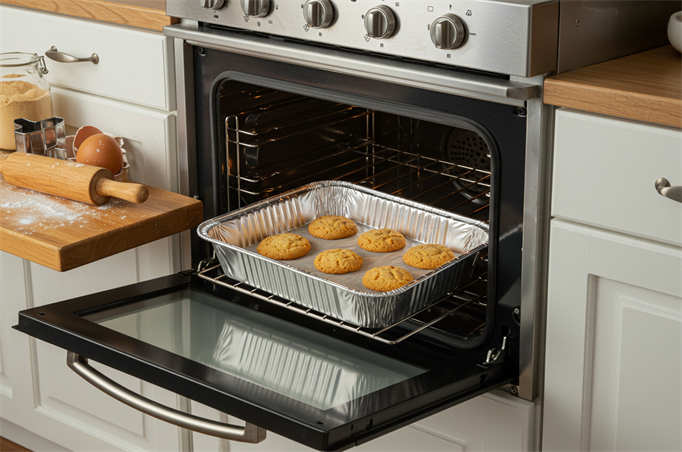
Using aluminum foil and metal in the microwave
Using aluminum foil and metal in the microwave is unsafe. Here are the specific reasons and precautions:
Dangers of aluminum foil and metal
Microwave reflection: Aluminum foil and other metals reflect microwaves, preventing them from penetrating the material to heat the food.
Arcing: The sharp edges or uneven surfaces of metal can easily cause electric charges to concentrate, leading to electrical arcing (the “sparking” phenomenon). This not only creates sparks but can also damage the microwave’s components and even start a fire.
Uneven heating: Metal containers can cause food to heat unevenly, affecting the heating effect.
Metals that can be used in special cases
Microwave-safe metal containers: Some specially designed metal containers (such as those with a very thin metal coating on a composite material) can be used safely in the microwave, but these containers must meet strict safety standards and are only for use in specific microwaves.
Special use of aluminum foil: In some cases, aluminum foil can be used for microwave heating, but you must be very careful. For example, you can tear off a small piece of aluminum foil and lay it flat on the surface of the food to prevent it from overheating, but you must ensure the foil is at least 2.5 cm (about 1 inch) away from the microwave’s inner wall.
Safety recommendations
Avoid using metal containers: Do not put metal items such as aluminum foil, aluminum containers, or stainless steel utensils in the microwave.
Use safe containers: We recommend using glass, ceramic, or heat-resistant plastic containers that are labeled “microwave-safe.”
Check takeout packaging: If the takeout packaging is aluminum or contains metal, you should transfer the food to a microwave-safe container before heating.
In conclusion, to avoid damaging your microwave and causing safety hazards, we recommend you avoid using aluminum foil and metal in the microwave.

It is safe to use aluminum foil containers in the microwave
According to research from the Fraunhofer Institute for Process Engineering and Packaging IVV in Freising, Germany, using aluminum foil packaging in the microwave is safe, but you must follow some basic rules. Research findings
Safety: In over 200 microwave tests, the aluminum foil packaging did not damage any microwave or injure any user, and no sparking was observed.
Heating efficiency and uniformity: Aluminum foil containers showed better heating characteristics and uniformity when heating food. For example, lasagna cooked in an aluminum container formed a particularly delicious and attractive crust. Although the heating time for aluminum foil containers was slightly longer than for plastic containers, this was due to the aluminum foil’s shielding effect, differences in the container’s geometry, and the type of food.
User-friendliness: Aluminum foil containers are easy to use and handle and performed well during the cooking process. Rules for use
Avoid contact with the microwave’s interior walls: The aluminum foil container or packaging must not touch the microwave’s interior walls, bottom, or other metal parts.
Proper placement: The aluminum foil container should be placed in the center of the microwave, ensuring it does not touch any metal parts of the microwave.
Avoid sharp edges: The surface of the aluminum foil should be flat, and you should avoid sharp edges or wrinkles, as these areas can collect electric charges and may cause sparks.
Adjust heating time: Due to the aluminum foil’s shielding effect, the heating time may need to be increased by about 10% compared to a non-metallic container. Resumen Using aluminum foil packaging in the microwave is safe as long as you follow the above basic rules. You can use it safely and efficiently.
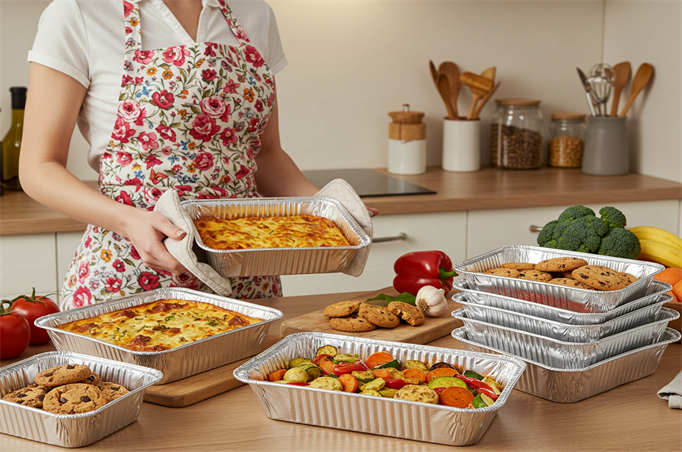
How to use aluminum containers in the microwave?
According to research from the Fraunhofer Institute for Process Engineering and Packaging IVV in Freising, Germany, and other relevant information, aluminum foil packaging and aluminum containers can be used safely in the microwave, but you must follow some strict rules: Precautions for using aluminum foil containers
Ensure the container does not touch the microwave’s interior walls: The aluminum foil container must not touch the microwave’s interior walls, door, or bottom; it must be at least 2 cm (about 0.8 inches) away.
Avoid sharp edges: The surface of the aluminum foil should be flat, and you should avoid sharp edges or wrinkles, as these areas can collect electric charges and may cause sparks.
Food fill level: La cantidad de comida en el recipiente de papel de aluminio debe llenar al menos 80% de la capacidad del recipiente. De lo contrario, los alimentos podrían quemarse.
Remove the lid: Before heating, you must remove the lid of the aluminum foil container; otherwise, the food will not heat.
Adjust heating time: Due to the aluminum foil’s shielding effect, the heating time may need to be increased by about 10% compared to a non-metallic container.
Avoid using bent or damaged aluminum foil containers: Do not use bent or damaged aluminum foil containers, and do not reuse single-use aluminum foil containers. Circunstancias especiales
You can only use one aluminum foil container at a time in the microwave.
The aluminum foil container should be placed in the center of the microwave. If the microwave has a metal interior, we recommend placing a ceramic or glass plate under the aluminum foil container. Resumen You can use aluminum foil containers in the microwave, but you must strictly follow the above rules to ensure safety and a good heating effect. If you are unsure whether an aluminum foil container is suitable for the microwave, we recommend you transfer the food to a microwave-safe ceramic, glass, or plastic container before heating.
As we conclude this comprehensive exploration of using aluminum in microwaves, we hope that you, our esteemed industry partners, have gained valuable insights that will enhance your operations and decision-making processes.
At Yutwin Aluminum Foil, we are dedicated to supporting the global industry with top-quality products and reliable information. We understand the importance of safety, efficiency, and innovation in the kitchenware and food packaging sectors, and we are here to help you navigate the challenges and opportunities that come with using aluminum in various applications.
Whether you are a distributor looking to expand your product range or a procurement expert seeking to ensure the highest standards of safety and performance, we are confident that the information shared in this post will serve you well. Thank you for joining us on this journey, and we look forward to continuing to support your success in the international market.
If you have any further questions or need additional guidance, please do not hesitate to reach out to us.
Frequently Asked Questions (FAQs) about Using Aluminum in Microwaves
1. Can I use aluminum foil in a microwave?
2. What are the safety precautions for using aluminum foil containers in a microwave?
- The container must not touch the walls, bottom, or door of the microwave. Maintain a distance of at least 2 centimeters.
- Remove any aluminum foil lids before heating.
- Fill the container with food to at least 80% of its capacity to prevent burning.
- Use low power settings and shorter heating times to avoid overheating.
- Avoid using bent or damaged containers.
3. Why is it dangerous to use regular aluminum foil in a microwave?
4. Can I use aluminum containers for reheating food in a microwave?
5. Are there any aluminum products specifically designed for microwave use?
6. What should I do if I accidentally put aluminum foil in the microwave?







 Español
  English
  Português do Brasil
  Русский
  العربية
  Français
