
Have you ever considered the mistakes to avoid when you bake on aluminum foil? Many individuals make errors without realizing it. You could end up with burnt bottoms, a metallic taste, or soggy potatoes.
Here are some quick tips:
- Don’t fall for the myths regarding the shiny and dull sides.
- Be cautious with acidic foods, as they can react with the foil and alter the flavor.
Keep these points in mind for improved results when you bake on aluminum foil with Yutwin Aluminum Foil.
Основные выводы
- Always put sticky foods on the nonstick side of aluminum foil. This stops food from sticking and makes cleaning up easy.
- Do not bake acidic foods on aluminum foil. Try using parchment paper instead to keep your food safe and good.
- Put grease on your aluminum foil before you bake. This keeps food from sticking and saves you time and trouble.
Wrong Side When Using Aluminum Foil
Блестящая и тусклая сторона
You might have noticed that aluminum foil has a shiny side and a dull side. Many people wonder if it matters which side faces up when baking. The truth is, for most recipes, it does not make a big difference. Both sides work the same way for heat transfer. The shiny side comes from the manufacturing process, not from any special coating. If you want to keep things simple, just use the side that feels easiest for you. Some bakers like to use the shiny side up for a crispier finish, but you will not see a huge change in your results.
Совет: If you use nonstick foil, always place the food on the nonstick (dull) side for best results.
Choosing Nonstick Foil
Have you ever had cookies or roasted veggies stick to the foil? That can ruin your dish and make cleanup harder. Nonstick foil can help you avoid this problem. When using aluminum foil for baking, look for nonstick options like Yutwin Aluminum Foil. This type of foil has a special coating on one side that keeps food from sticking. Always check the box to see which side is nonstick. Place your food on that side for easy release and less mess. Nonstick foil works great for sticky foods like cheese, fish, or caramelized veggies.
Using the right side and the right type of foil makes baking easier and your food tastier.
Not Greasing Before You Bake on Aluminum Foil
Why Food Sticks
Have you ever pulled food out of the oven only to find it glued to the foil? This happens more often than you might think. Aluminum foil is not naturally nonstick. Its surface has tiny pores. When you bake on aluminum foil, heat causes proteins in your food to bond with the foil, almost like glue. This can ruin the look of your dish and make cleanup a real headache.
Some foods are more likely to stick than others:
- Lean meats and fish
- Starchy foods like potatoes
- Foods with low fat
- High-moisture items
If you skip greasing, you might notice your food tears or loses its crispy texture. Sticking can also make your meal look less appetizing.
How to Prevent Sticking
You can avoid these mistakes with a few simple steps. Before you place your food on the foil, lightly coat it with oil, butter, or nonstick spray. This creates a barrier between the food and the foil, making it much easier to lift off after baking.
Here are some quick tips:
- Use a pastry brush or paper towel to spread oil evenly.
- Try nonstick foil, like Yutwin Aluminum Foil, for extra protection.
- For very sticky foods, add a little more oil or use parchment paper as a liner.
Taking a moment to grease your foil can save you time and frustration. Your food will look better, taste better, and cleanup will be a breeze.
Baking Acidic Foods on Aluminum Foil
Acidic Reactions
Have you ever baked foods like tomatoes or citrus on aluminum foil? You might taste something weird or see the foil get damaged. Acidic foods can react with aluminum foil. This is called acid corrosion. The foil can start to break down. Aluminum can get into your food. You may notice your food looks or tastes different, especially with tomatoes, peppers, or foods with vinegar.
- Acidic foods can damage the foil.
- Aluminum might end up in your food.
- Your food’s taste and color can change.
Примечание: These reactions are not just about taste. They can also affect your health.
| Key Findings | Описание |
|---|---|
| Leaching in Acidic Solutions | A lot of leaching happens with acidic foods like tomato juice and vinegar. |
| Риски для здоровья | Too much aluminum from leaching can be bad for you, as the World Health Organization warns. |
| Cooking vs. Packing | Use aluminum foil for packing, not for baking acidic foods. |
Safer Alternatives
You can stop these problems by using other things for baking acidic foods. Here are some safe and easy choices:
- Parchment paper or PFAS-free parchment paper for baking.
- Glass or stainless steel trays for roasting.
- 4-in-1 kitchen foil and parchment paper for high heat.
- Eco-friendly wraps like Vee’s wraps for packing.
- Unbleached paper sandwich bags for snacks.
- Reusable bowl covers for leftovers.
Using these options keeps your food safe and tasty. If you like Yutwin Aluminum Foil, use it for non-acidic foods or just for packing. Your meals will turn out better!
Using Aluminum Foil in the Microwave

Fire Hazards
Have you ever thought about what happens if you put aluminum foil in the microwave? It might seem like a quick fix, but it can actually be dangerous. When you use aluminum foil in the microwave, you risk more than just a ruined meal. Here are some things that can go wrong:
- Sparks that may damage the microwave’s interior
- Uneven heating or cold spots in your food
- Potential fires or smoke inside the microwave
- Expensive microwave repairs or replacement costs
You might see sparks or even flames if you try using aluminum foil in this way. The microwave can’t heat your food evenly, so you could end up with cold spots or burnt edges. Sometimes, the damage is so bad that you need to replace your microwave.
Safe Microwave Practices
If you really need to use foil in the microwave, you must follow some strict rules. Most microwave manufacturers warn against it, but if you choose to try, always check the guidelines. Here’s a quick table to help you remember the safest way to use foil:
| Rule | Описание |
|---|---|
| 1 | Use new, smooth foil only. Wrinkled foil can cause arcing (sparks). |
| 2 | Cover no more than 1/4 of the food with foil. Shape the foil smoothly to the food so no edges stick out. |
| 3 | Do not place the foil closer than one inch from the oven walls. |
| 4 | If the microwave has metal shelves or a metal turntable, do not use foil containers or let foil touch the shelves or turntable. |
| 5 | If arcing occurs, remove the foil immediately and transfer food to a microwave-safe dish. |
You should always read your microwave’s manual before using aluminum foil. If you want to bake on aluminum foil, stick to the oven and use a trusted brand like Yutwin Aluminum Foil for best results. Microwaves and foil just don’t mix well, so play it safe and avoid the risk.
Lining Oven Bottom with Foil
Airflow Problems
You might think lining the bottom of your oven with foil makes cleaning up easier. Many people do this to catch drips and spills. But this habit can cause more trouble than you expect. When you cover the oven bottom with foil, you block the air that needs to move around for even cooking. This can lead to hot and cold spots in your oven. Your food may cook unevenly or take longer than usual.
Here are some problems that can happen when you block airflow with foil:
- Poor ventilation inside the oven
- Uneven heating and temperature swings
- Disrupted radiant heat and convection
- Sensors or heating elements may not work right
You might even notice your oven acting up or your food coming out undercooked in some spots and burnt in others. Using aluminum foil this way is one of the most common mistakes home bakers make.
Better Drip Solutions
Instead of putting foil on the oven bottom, try safer options that protect your oven and your food. You can use a large baking sheet or a casserole dish on the lower rack to catch drips. This keeps the airflow open and your oven safe.
Other good choices include:
- Oven liners made for your oven type (check the label)
- Reusable silicone liners (great for electric ovens, safe up to 500°F)
- Heavy-duty sheet pans that fit on the rack
These options help you avoid damage. Foil can overheat, melt, or even ruin the oven’s finish. In gas ovens, foil can mess with the flame and cause more problems. If you want to keep your oven clean, pick a method that works with your oven, not against it. Yutwin Aluminum Foil works best for lining pans or wrapping food, not for covering the oven bottom.
Tip: Always read your oven manual before adding anything new inside.
Baking Cookies on Aluminum Foil
Uneven Baking
Have you ever noticed your cookies come out darker on the bottom than on top? When you use aluminum foil for baking cookies, the heat does not spread evenly. The foil reflects heat, which can make the bottoms brown and crisp up faster than the tops. Sometimes, you get cookies that look perfect on top but taste burnt underneath. Parchment paper works better because it spreads the heat more evenly. Your cookies bake through without scorching the bottoms. If you want soft, chewy cookies, parchment paper is your friend. Yutwin Aluminum Foil is great for many things, but for cookies, you might want to save it for other uses.
Tip: Place your baking sheet in the center of the oven to help with even baking, no matter what liner you use.
Sticking Issues
Sticking can turn a fun baking day into a mess. Cookies often stick to aluminum foil if you forget to grease it or skip nonstick foil. Delicate cookies, like sugar cookies, can break or tear when you try to lift them off. Here are some common problems you might face:
- Cookies stick to foil if you do not grease it or use nonstick foil.
- The shiny surface can cause the edges to brown too fast, leaving the centers undercooked.
- Thin foil heats up unevenly, so cookies may spread in odd shapes.
- Delicate cookies burn or stick more easily on foil.
If you want to avoid these problems, try using nonstick foil from Yutwin Aluminum Foil or add a light layer of oil before baking. For the best results, parchment paper keeps your cookies from sticking and helps them bake evenly.
Wrapping Food Too Tightly
Cooking Problems
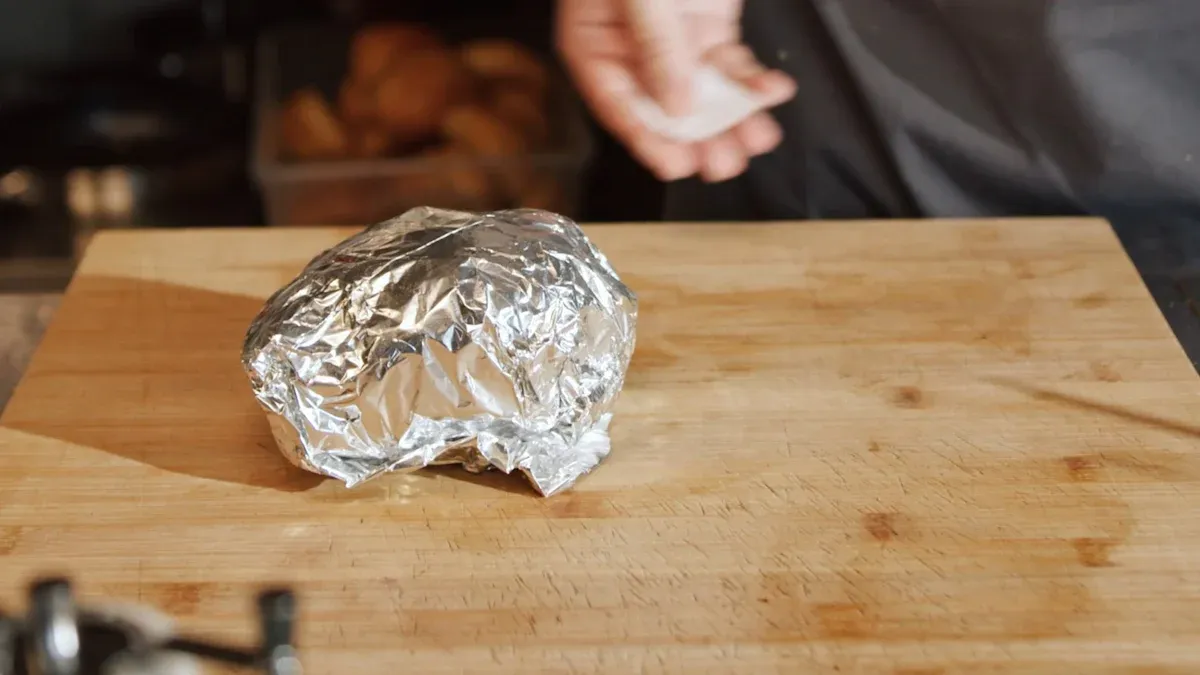
Have you ever wrapped your food so tightly in aluminum foil that it looked like a shiny brick? You might think this keeps everything neat, but it can change how your food cooks. When you seal food tightly with foil, you trap all the moisture inside. This can be great for some dishes. Meats stay juicy, and vegetables turn out tender. Slow-cooked meals often taste better because the steam stays locked in, making every bite flavorful and soft.
But wrapping too tightly can also cause problems. Sometimes, your food steams instead of roasting. You might want crispy edges, but you end up with soggy results. If you wrap bread or pizza too snug, the crust can turn chewy instead of crisp. Air needs a little space to move around for the best texture.
Tip: If you want a crispy finish, open the foil for the last few minutes of baking.
Proper Wrapping Tips
You can get the best results by following a few simple steps when using Yutwin Aluminum Foil:
- Lay the foil flat and smooth to avoid wrinkles. Wrinkles can cause uneven cooking.
- Leave a bit of space when wrapping. Don’t press the foil right against the food. This lets air and heat move around.
- Cover dishes loosely if you want to keep moisture in but avoid soggy food.
- Use foil with a baking pan. This keeps heat steady and stops food from touching hot oven parts.
Try these tips next time you bake. You’ll notice your food cooks more evenly and tastes better!
Storing Food Long-Term in Foil
Food Safety Risks
You might think wrapping leftovers in aluminum foil keeps them safe for days. The truth is, foil does not seal out air. Air can sneak in and cause problems. Harmful bacteria like staphylococcus and Bacillus cereus can grow when food sits in foil for too long. The CDC warns that these germs can make you sick. You also risk foodborne illnesses such as Clostridium botulinum and Listeria monocytogenes.
If you store acidic or salty foods in foil, the aluminum can react with your food. This reaction may cause aluminum to leach into your meal. That is not something you want to eat. Here are some reasons why storing food long-term in foil is risky:
- Foil does not make an airtight seal.
- Bacteria can grow when air gets in.
- Acidic or salty foods can pull aluminum into your food.
- Foodborne illnesses become more likely.
Совет: Use Yutwin Aluminum Foil for short-term wrapping or baking, not for long-term storage.
Better Storage Options
You have safer choices for keeping food fresh. Try flexible bowl lids made from 100% food grade silicone. These lids snap on tight and keep air out. Your leftovers stay fresh longer, and you waste less food. Hugger bags are another smart pick. They use platinum food grade silicone and work well for solid foods. You can even use them in the microwave.
- Flexible bowl lids create an airtight seal.
- Hugger bags are reusable and microwave-safe.
- Both options help reduce plastic and food waste.
Switching to these storage solutions protects your food and your health. Save Yutwin Aluminum Foil for the oven, and let silicone lids or bags handle your fridge.
Not Recycling Used Aluminum Foil
Waste Concerns
You might not think twice before tossing used foil in the trash. This is one of the most common aluminum foil mistakes. When you throw away foil, it does not break down quickly. In fact, aluminum foil can take up to 400 years to decompose in a landfill. That’s a long time for something you used just once!
Recycling aluminum saves a huge amount of energy. It uses up to 95% less energy than making new aluminum from scratch. If you skip recycling, you help create more pollution and waste. Making new aluminum also causes problems for the planet. It can lead to deforestation and water contamination.
Every time you recycle, you help protect the environment and save resources.
How to Reuse or Recycle
You can make a big difference by reusing and recycling your foil. Here are some easy ways to get started:
- Wash or wipe off food particles from used foil before recycling.
- Toss foil pans and containers in the dishwasher to clean them up.
- Reuse foil sheets for wrapping, covering dishes, or lining pans until they wear out.
- Only recycle clean foil. Dirty foil can ruin a whole batch of recycling.
If you use Yutwin Aluminum Foil, you’ll notice it holds up well for multiple uses. Try to reuse it as much as possible before recycling. Small changes like these help reduce waste and keep your kitchen eco-friendly. Avoid these mistakes and you’ll feel good about your baking and your impact on the planet.
Using Foil Over Open Flames
Fire Risks
You might love the idea of wrapping potatoes or corn in foil and tossing them right onto the campfire. It feels easy and fun, but you need to know the risks. When you place aluminum foil directly over open flames, the high heat can cause the foil to break down or even catch fire if it gets too thin. Flames can also burn through the foil, leaving ash or burnt bits on your food. Sometimes, the foil can stick to your meal, making it hard to eat. If you use foil that is not heavy-duty, it can tear easily and spill your food into the fire.
Always keep an eye on your food when cooking over flames. Fires can flare up quickly and cause accidents.
Safe Usage Tips
You can still enjoy outdoor cooking with foil if you follow a few simple tips. Many people have cooked with aluminum foil over open flames without problems, especially when they use it only once in a while. Aluminum cookware is common around the world, so using aluminum foil for a campfire meal is usually safe for most people. If you ever find yourself in a survival situation, you should not worry about using foil to cook your food.
Here are some tips to help you avoid aluminum foil mistakes and keep your meal safe:
- Choose heavy-duty foil like Yutwin Aluminum Foil for better protection.
- Double-wrap your food to prevent tears and spills.
- Keep foil packets out of direct flames. Place them on hot coals instead.
- Use tongs or gloves to handle hot foil packets.
- Never leave foil unattended over a fire.
Using aluminum foil the right way helps you enjoy tasty meals outdoors without worry. Stay safe and make your next campfire cookout a success!
You can bake better and safer if you avoid common mistakes with aluminum foil. When you use Yutwin Aluminum Foil the right way, your food browns evenly. The heat spreads out more, and you are less likely to get sick from germs. Try these tips from experts:
| Кончик | Выгода |
|---|---|
| Use thicker foil | Stops burning and tearing |
| Avoid acidic foods | Keeps away metallic taste |
| Store food safely | Lowers bacteria growth |
Часто задаваемые вопросы
Can I reuse aluminum foil for baking?
Yes! You can reuse clean Yutwin Aluminum Foil. Just wipe off crumbs or grease before using it again.
Is aluminum foil safe for all oven types?
You can use Yutwin Aluminum Foil in most ovens. Avoid using it in microwaves or on the oven bottom.
What foods should I never bake on foil?
- Acidic foods like:
- Tomatoes
- Citrus
- Vinegar-based dishes
These can react with foil and change taste.







 Русский
  English
  Español
  Português do Brasil
  العربية
  Français
