
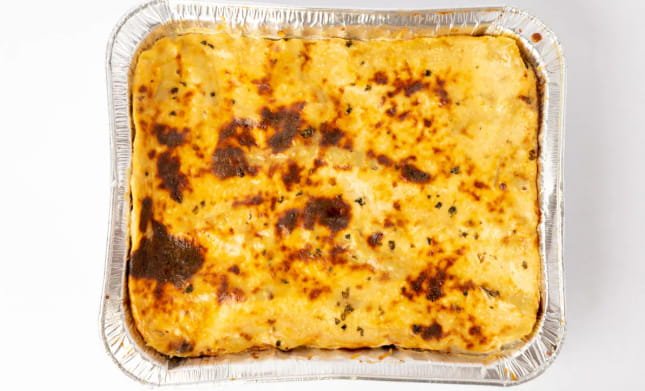
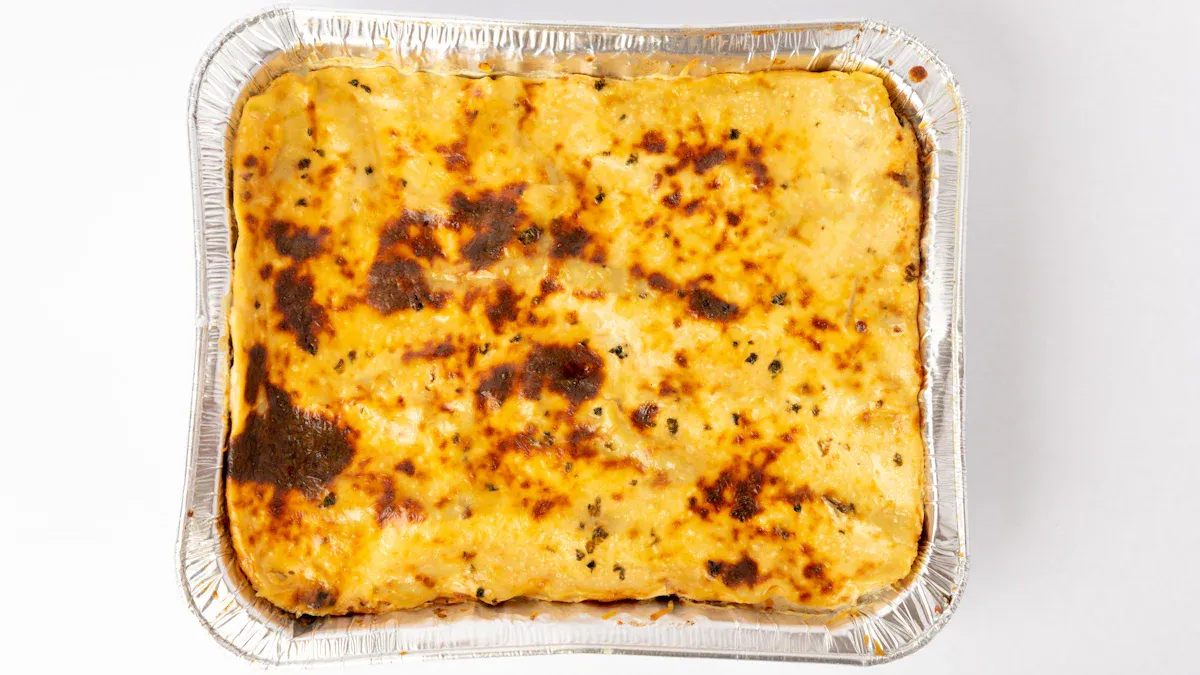
You may ask if alu foil trays are safe for baking and storing food. The answer depends on how you use them. High heat, acidic foods, and rough use can make aluminum get into your food. Here are some common safety concerns:
| Safety Concern | Détails |
|---|---|
| Aluminum leaching into food | Levels can go over 60 mg/kg in ham and 20 mg/kg in cheese after 3 days. |
| Health risks of aluminum exposure | Linked to sicknesses like Alzheimer’s and harmful effects on nerves. |
| Factors increasing leaching | Acid and salt make transfer higher; sugar can lower it. |
To keep your food safe, always check your aluminum foil pans. Cover your food well. Do not use trays with acidic foods for a long time.
Principaux enseignements
- Always check aluminum foil trays for damage before use. Avoid using bent or torn trays to keep your food safe.
- Utilisation aluminum foil pans for baking at temperatures below 500°F. Keep them away from heating elements to prevent melting.
- Seal food tightly in aluminum foil trays for storage. This keeps food fresh and prevents odors from spreading.
- Avoid storing acidic or salty foods in aluminum foil pans. Use glass or plastic containers instead to prevent leaching.
- Clean aluminum pans gently with mild soap and a soft sponge. This helps them last longer and stay safe for reuse.
Baking with Alu Foil Trays
Using an Aluminum Foil Pan in the Oven
You might wonder if using an aluminum foil pan in the oven is safe. The answer is yes, but you need to follow a few rules. Aluminum foil is great for baking, roasting, and wrapping food. You should never line the bottom of your oven with aluminum foil, though. This can reflect heat and damage the heating elements. Instead, place alu foil trays on a baking rack or tray. Brands like Yutwin Aluminum Foil offer sturdy casseroles en papier d'aluminium that work well for baking and help keep your food safe.
When you use disposable aluminum pans, always check the thickness. Thicker aluminum foil trays are more durable and resist heat better. Thin trays can bend or tear, especially with heavy or moist food. If you want to bake a cake in a foil pan, choose a deep pan to prevent spills. For baking pie in an aluminum foil pan, a shallow pan works best for even browning.
Conseil : Utilisez toujours des gants de cuisine ou des maniques when handling hot aluminum foil pans. Support the base with two hands to avoid spills. Open trays away from your face to prevent steam burns.
Oven Temperature and Placement
You need to pay attention to oven temperature when baking with aluminum foil pans. Most manufacturers recommend keeping the oven below 500°F. Using aluminum pans in ovens at higher temperatures can cause problems. If you place aluminum foil trays too close to heating elements, they can melt or even catch fire. Toaster ovens and broilers get very hot, so keep trays away from direct contact with heating elements.
Here are some safety tips for oven use:
- Never let aluminum foil touch the heating elements.
- Place alu foil trays on the middle rack for even heat.
- Avoid broiling with aluminum foil pans, since broiling temperatures can exceed the melting point of aluminum.
- Let trays cool on a heat-resistant surface before moving them.
Proper rack placement helps heat move around your food. If you block the oven racks with foil, your food may cook unevenly. Always check that air can flow freely in the oven.
Best Foods for Baking
Aluminum foil pans work best for certain foods. They conduct heat well, so your baked goods cook evenly. You can use alu foil trays for cakes, brownies, bread, and pastries. Disposable aluminum pans make cleanup easy after baking.
Here’s a table showing which foods work best in aluminum foil pans:
| Type d'alimentation | Heat Conduction Benefits |
|---|---|
| Cakes and Pastries | Even cooking and browning |
| Bread and Rolls | Crispy crust and soft inside |
| Brownies | Chewy edges and fudgy centers |
| Sheet Cakes | Easy to bake, transport, and serve |
If you want gooey brownies or festive cakes, aluminum foil pans are a good choice. Baking pie in an aluminum foil pan gives you a golden crust. For high-fat or acidic foods, like tomato sauce or citrus desserts, try not to leave them in the pan for long. Acid and salt can make aluminum leach into your food. If you plan to use the pan for storage, transfer your food to a glass or plastic container after baking.
Remarque : Thicker aluminum foil trays from brands like Yutwin Aluminum Foil help keep your food fresh and prevent leaks during baking and storage.
Handling Hot Aluminum Foil Trays
When you take aluminum foil pans out of the oven, you need to be careful. Here’s how you can avoid burns and spills:
- Use thick, dry oven mitts or pot holders.
- Support the tray from underneath with both hands.
- Open hot trays away from your face to avoid steam burns.
- Let trays cool before moving or serving food.
By following these steps, you can enjoy baking with alu foil trays and keep your kitchen safe.
Storing Food in Aluminum Foil Pans
Covering and Sealing for Storage
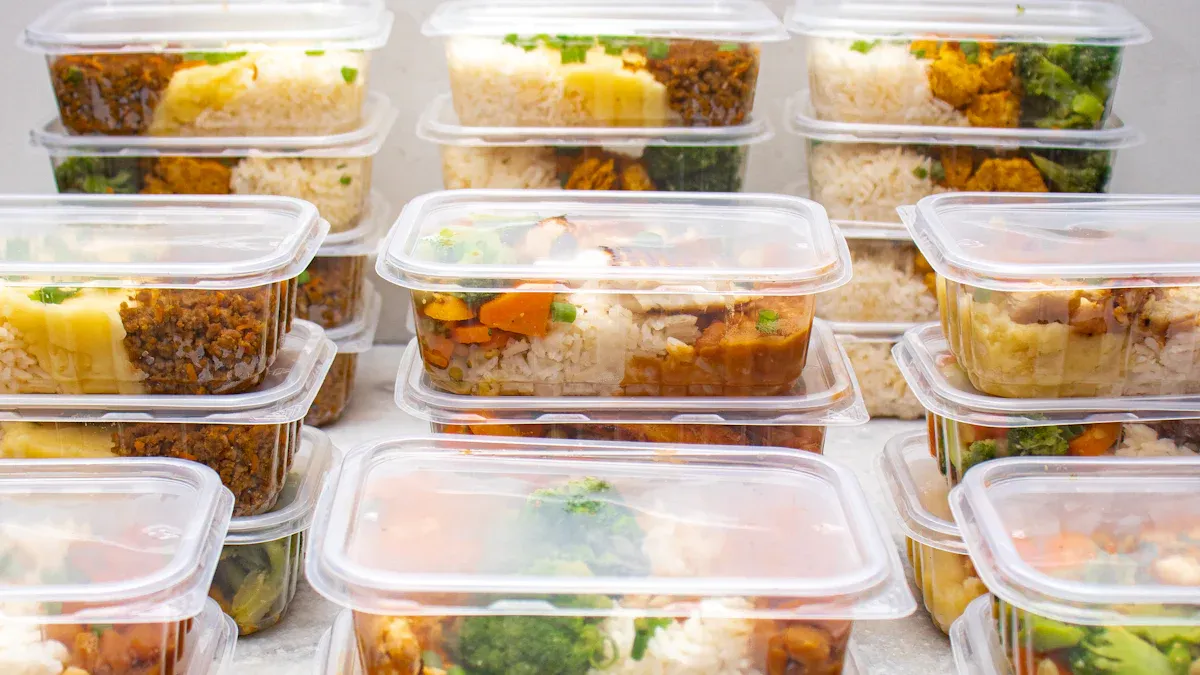
When you store food in alu foil trays, you want to keep it fresh and safe. The best way to do this is by sealing the pan tightly. You can use a matching lid or cover the tray with aluminum foil. If you want extra protection, wrap the whole pan with plastic wrap. This helps block air and keeps out germs.
Start with clean, undamaged aluminum foil pans. If you are storing liquids, leave about half an inch of space at the top. This prevents spills when you seal the tray. Let your meal cool to room temperature before you cover it. Hot food can create steam, which loosens the lid and lets air in.
Tip: A tight seal keeps your leftovers moist and stops odors from spreading in your fridge.
Aluminum foil creates a strong barrier against moisture, gas, and smells. It works better than plastic wrap, which can let some air and moisture through. If you use foil lids, you will notice less moisture loss compared to plastic covers. Your food stays fresher for longer.
Refrigeration and Freezing Tips
You can use aluminum foil pans for storing leftovers in the freezer or fridge. If you want to freeze a meal, follow these steps to keep it safe:
- Double-wrap the pan with foil or plastic to block air.
- Place parchment paper right on top of the food for extra protection against ice crystals.
- Fill the pan close to the top, but leave a small gap for liquids.
- Label each tray with the date, contents, and reheating instructions.
Here’s a table to help you avoid freezer burn when freezing with aluminum foil pans:
| Action | Effect |
|---|---|
| Double-wrap with foil/plastic | Minimizes air exposure |
| Use parchment on food | Extra barrier against ice |
| Fill containers close to top | Reduces empty airspace |
| Label with date and contents | Easy rotation and usage |
Stacking disposable aluminum pans is easy, but don’t pile too many on top of each other. Heavy stacks can crush the trays and cause leaks. Always check that the seal is tight before you put the pan in the freezer. If you want to reheat leftovers, move the food to a safe dish or use the pan in the oven. Make sure the pan is not damaged before reheating.
Note: Freezing with aluminum foil pans helps keep your meal safe from freezer burn and makes cleanup simple.
Foods to Avoid Storing
Not all foods are safe to keep in aluminum foil pans. Some foods can react with aluminum and cause problems. Acidic foods like tomatoes, vinegar, and citrus can corrode the pan. This can give your food a metallic taste and may even be bad for your health. Salty foods can also cause aluminum to move into your meal.
Here are foods you should avoid storing in aluminum foil pans:
- Acidic foods such as tomato sauce, citrus fruits, and vinegar-based dishes
- Foods with lots of salt
- Meals you plan to keep for a long time
Studies show that acidic foods can break down the protective layer on aluminum. This lets aluminum ions mix into your food, especially if the pH is below 4.5. Water and olive oil have been used to test how much aluminum moves into food. The results show that acidic and salty foods are most likely to cause this problem.
If you need to store these foods, use glass or plastic containers instead. Aluminum foil pans are best for short-term storage and for foods that are not acidic or salty.
Tip: Always transfer acidic leftovers to a different container if you want to keep them fresh and safe.
Storing food in alu foil trays is easy and convenient. You just need to know which foods work best and how to seal the pans. Disposable aluminum pans make meal prep and storage simple, but you should always check the pan for damage before using it again.
Handling, Cleaning, and Reuse
Cleaning Aluminum Foil Pans
You want your aluminum pans to last through more than one meal prep. Start by letting the pan cool down after baking. If you clean it while hot, you might warp the aluminum. Use a soft sponge and mild detergent for cleaning. Avoid abrasive scrubbers because they scratch the surface and make aluminum pans wear out faster. Scratches can trap food and cause stains.
Here’s a quick cleaning checklist for your aluminum pans:
- Hand wash with gentle soap and a soft sponge.
- Rinse and dry right away to stop mineral spots.
- Store dry pans in a cool, dry place.
- Never soak aluminum pans in water for long.
- For mild stains, make a paste with baking soda and water, then rub gently.
- For tough spots, soak with hot water and dish soap, then use a wooden scraper.
If you cover food tightly before storing in the fridge, you help keep your aluminum pans clean and ready for the next prep.
Tip: Dry your aluminum pans completely after cleaning to prevent oxidation.
When to Reuse or Discard
Vous pouvez reuse aluminum pans for meal prep if they look good and feel sturdy. Always check for holes, tears, or deep scratches before using them again. If you see bends or damage, recycle the pan. Avoid using aluminum pans for broiling or very high heat. Overloading pans after several uses can cause leaks.
Here’s a table to help you decide:
| Condition | Action |
|---|---|
| No damage | Safe to reuse |
| Deep scratches | Recycle |
| Bent or torn | Discard |
| Used for broiling | Discard |
If you prep meals often, you’ll notice when your aluminum pans start to wear out.
Safe Disposal Tips
When you finish with your aluminum pans, you can help the environment by recycling. First, rinse off all food and debris. Soaking in hot water with dish soap makes this easier. Check with your local recycling center to see if they accept aluminum pans. Clean pans before disposal to avoid odors and help recycling.
Follow these steps for eco-friendly disposal:
- Rinse and clean the aluminum pan.
- Confirm recycling rules in your area.
- Place clean pans in the recycling bin.
Did you know only 32% of aluminum foil trays get recycled? The rest end up in landfills because of contamination or sorting issues. Your careful prep and cleaning can make a difference.
You can bake and store food safely with aluminum foil trays if you follow a few simple rules. Check out this quick table of do’s and don’ts:
| ✅ Do | ❌ Don’t |
|---|---|
| Use heavy-duty foil for baking. | Don’t let foil touch heating elements. |
| Cover dishes to keep moisture in. | Don’t use foil with acidic foods. |
| Handle pans gently and wash soon after use. | Don’t reuse damaged or bent trays. |
Remember to dry pans right away and avoid cutting food in the tray. Stick to these tips, and you’ll keep your meals safe and tasty!
FAQ
Can you put aluminum foil trays in the microwave?
No, you should not use aluminum foil trays in the microwave. The metal can spark and damage your microwave. Always transfer your food to a microwave-safe dish before reheating.
Are aluminum foil trays safe for baking at high temperatures?
You can bake with aluminum foil trays up to 500°F. Keep trays away from heating elements. If you use higher heat, the tray may warp or melt.
Can you reuse aluminum foil trays?
Yes, you can reuse trays if they look clean and sturdy. Check for holes or deep scratches. If you see damage, recycle the tray instead.
Do aluminum foil trays affect the taste of food?
Sometimes, acidic or salty foods can react with aluminum. You might notice a metallic taste. For these foods, use glass or plastic containers for storage.







 Français
  English
  Español
  Português do Brasil
  Русский
  العربية
