

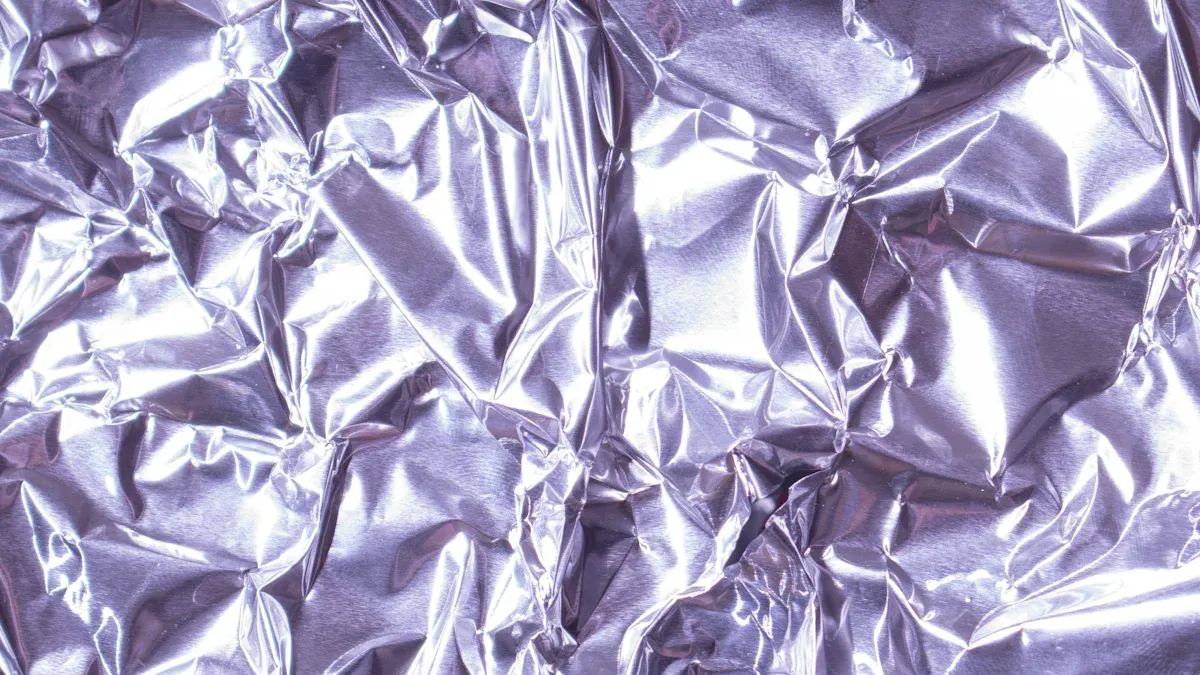
You might ask if aluminum foil insulation is a good choice for your building. Many people pick aluminum foil insulation because it saves space. It also keeps out moisture and is easy to put in. This type of insulation can help you spend less money. But, aluminum foil insulation has some problems. It does not have a high R-value. It works best in places that are warm. It also needs an air gap to work well. Look at the table below for a quick summary:
| Strengths | Weaknesses |
|---|---|
| Cost-Effective | Low R-Value |
| Easy Installation | Limited Effectiveness in Cold Climates |
| Space-Saving | Relies on Air Gap |
| Résistance à l'humidité | Not a DIY Solution for All Applications |
You should think about your weather, building type, and how much you want to spend before you pick aluminum foil insulation.
Principaux enseignements
- Aluminum foil insulation does not cost much and is simple to put in. This makes it a common pick for many buildings. It can bounce back up to 97% of radiant heat. This helps keep rooms cool in hot places. It can also lower energy bills by 5% to 10%. You must install it the right way. Make sure the surface is clean and there is an air gap. This helps it work better and stops moisture from building up. Aluminum foil insulation lasts a long time and bugs do not like it. But it might not work well in cold places. It can also be dangerous if not put in the right way. Think about your weather, building type, and how much you want to spend. This will help you pick the best insulation for you.
How Aluminum Foil Insulation Works
Reflective Insulation Principles
Aluminum foil insulation works by reflecting heat. It does not absorb the heat. When heat from the sun tries to get inside, the foil sends most of it back. The shiny surface can reflect up to 97% of radiant heat. This is called radiant heat reflection. It works best in hot places. Sunlight can make rooms very warm, but this insulation helps keep them cooler.
Reflective insulation works because of science laws. Heat moves as electromagnetic waves. The insulation reflects these waves back. Emissivity is important too. Aluminum foil has low emissivity. This means it does not give off much heat.
Bubble foil insulation, single bubble insulation, and double bubble insulation all use this idea. Bubble foil insulation has bubbles between foil sheets. The bubbles slow down heat flow. Double bubble insulation has two layers of bubbles. This makes it work even better. Single bubble insulation has one layer. It is good for small spaces. These products reflect heat. They help buildings stay cool and comfortable.
Common Uses in Buildings
Vous pouvez use aluminum foil insulation in many places. It works in homes, offices, and farm buildings. Yutwin Aluminum Foil makes different products for these needs. Bubble foil insulation is used in attics, walls, and floors. Single bubble insulation is good for crawlspaces or small rooms. Double bubble insulation is best for big areas like pole barns or metal buildings.
Here is a table that shows where you can use it:
| Type d'application | Description |
|---|---|
| Pole Barn – Post & Beam Buildings | Used for thermal insulation in agricultural structures. |
| HVAC Applications | Enhances energy efficiency in heating, ventilation, and air conditioning. |
| Walls, Ceilings, Crawlspaces | Maintains indoor temperatures and reduces heat loss. |
| Concrete Applications | Provides insulation in concrete structures. |
| Metal & Steel Buildings | Effective in insulating metal structures to prevent heat transfer. |
| Attic and DIY Applications | Commonly used in attics to reduce heat gain and improve energy efficiency. |
Bubble foil insulation helps stop heat in attics. Single bubble insulation keeps floors from getting cold. Double bubble insulation works well in roofs. It reflects heat away and lowers cooling bills. Picking the right insulation makes your building more comfortable and saves energy.
Advantages of Aluminum Foil Insulation
Energy Efficiency and Cost Savings
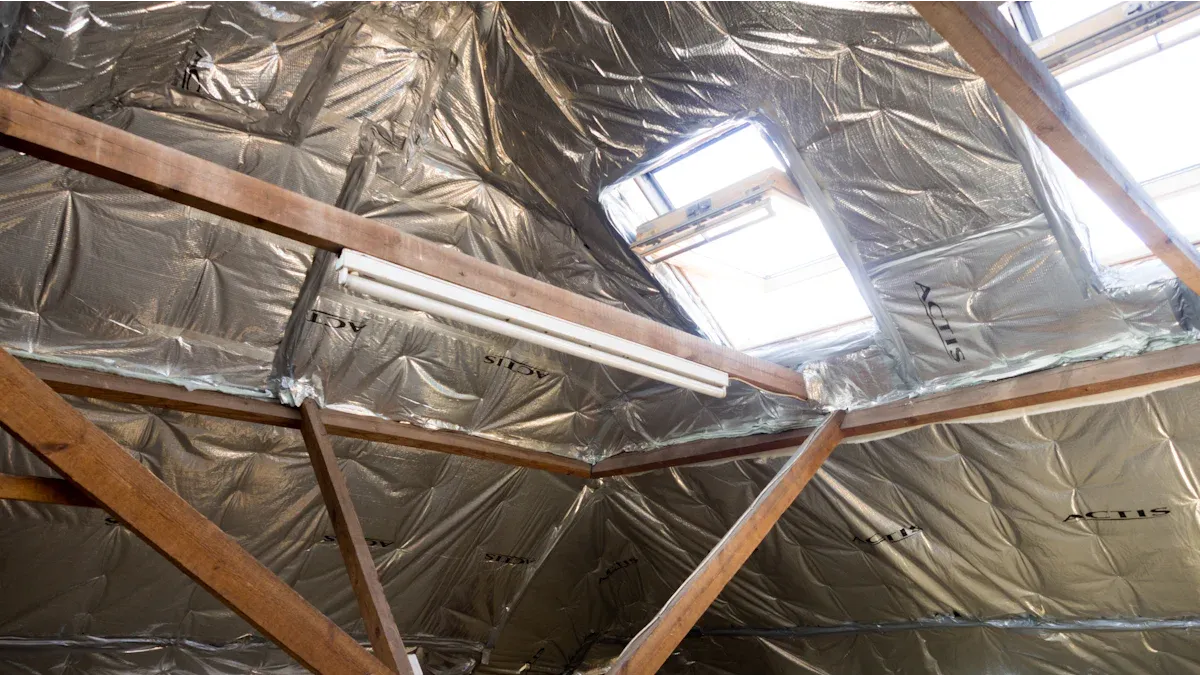
You want your building to stay cool in summer. You also want it warm in winter. Foil faced insulation helps by sending heat away from your home. In warm places, using foil faced insulation can lower cooling bills. Studies say you might save 5% to 10% on energy bills. This means you spend less money on air conditioning. Your space stays comfortable.
Yutwin Aluminum Foil sells products that help save energy. Their foil faced insulation reflects radiant heat. Less heat gets into your rooms. You use less energy and save money. This insulation works well in attics, walls, and roofs. You will notice lower bills each month.
Here are some benefits for saving energy and money:
- Cooling costs drop by 5%-10% in warm places
- Air conditioning uses less energy
- Homes and buildings use energy better
- Attics and roofs get less heat
Durabilité et longévité
Foil faced insulation lasts for many years. You do not need to change it often. In normal buildings, foil faced bubble wrap sheets last about 20 years. This means you get good insulation for a long time. The material does not break down fast. It stays strong even with moisture or pests.
Yutwin Aluminum Foil makes insulation that handles tough conditions. You do not have to worry about bugs or rodents hurting your insulation. The foil layer keeps these problems away. You can relax knowing your insulation will work for years.
| Insulation Type | R-value (per inch) | Notes |
|---|---|---|
| Aluminum Foil Insulation | Varies with air gap | Works best with an air gap, not a set R-value. |
| Fiberglass Insulation | 3 to 3.5 | R-value comes from air pockets; water or squeezing can make it less effective. |
Foil faced insulation gives you strong and long-lasting thermal protection if you install it right.
Safety and Health Benefits
You want insulation that keeps your family safe. Foil faced insulation does not have toxins. It has no fibers, so you do not breathe in tiny bits. You do not need to worry about allergies or skin problems. The material does not need much care. You do not have to clean or replace it often.
Yutwin Aluminum Foil makes insulation that meets safety rules. You can use it in homes, schools, and offices. The insulation does not let out bad chemicals. You get a healthy place to live. Your air stays clean.
Here are some safety and health benefits:
- No toxins in the material
- No fibers or dust
- Needs little care
- Safe for kids and pets
Moisture and Pest Resistance
Water can hurt many kinds of insulation. Foil faced insulation keeps water out and your building dry. You do not have to worry about mold or mildew. The foil layer stops water from getting into walls and ceilings.
Bugs and rodents chew through other insulation types. Foil faced insulation stops them. The shiny surface is hard for pests to damage. Yutwin Aluminum Foil products protect against water and pests. You get insulation that lasts and keeps your building safe.
- Stops water and mold
- Keeps out bugs, rodents, and fungi
- Insulation stays dry and works well
- Protects your home from pest damage
Foil faced insulation gives you many good things. You save energy, spend less money, and have a safe, strong, and healthy home. Yutwin Aluminum Foil helps you get the most from your insulation.
Disadvantages of Aluminum Foil Insulation
Climate and Installation Limitations
Aluminum foil insulation does not work well everywhere. In cold places, it can trap moisture inside. When it gets cold, water vapor can build up. Over winter, condensation can reach 0.46 kg/m². The wetness can last longer than the cold season. This means your insulation might stay wet for months. Wet insulation can get mold and become damaged.
If you do not install insulation carefully, you lose benefits. Dust and dirt can cover the foil. This makes it less shiny and less able to reflect heat. If the foil cannot reflect heat, your energy bills may rise. Putting the foil in the wrong place will not stop heat transfer. Condensation can also form on the foil. This makes the insulation damp and less useful. Mold can grow in these wet spots.
Tip: Always put aluminum foil insulation with a clean surface and an air gap. This helps it reflect heat and keeps your building dry.
You should ask Yutwin Aluminum Foil for help with installation. Their team can help you avoid mistakes and get the best results.
Climate-related limitations of aluminum foil insulation:
- Moisture can build up in cold places.
- Low vapor permeability can trap water.
- Drying time can be longer than winter.
- Mold and damage can happen.
Installation limitations:
- Dust and dirt make it less shiny.
- Wrong placement lowers heat control.
- Condensation can make it wet and moldy.
Electrical Conductivity Risks
Aluminum foil insulation can be risky near electrical wires. Aluminum foil lets electricity pass through. If you do not follow safety rules, you could get shocked or start a fire. The thin foil can tear easily. This can cause hot spots and overheating. Bad connections can fail and make things more dangerous.
| Risk Type | Description |
|---|---|
| Higher Resistance | Aluminum foil has much higher electrical resistance than solid wire, leading to increased heat. |
| Fragility | The thin nature of foil makes it prone to tearing, which can create hot spots and overheating. |
| Unreliable Joints | Makeshift connections often fail to provide secure, low-resistance joints necessary for safety. |
| Shock Hazard | Bare foil poses a risk of electric shock and short circuits if it contacts other metal surfaces. |
Building codes say you must use safe insulation. The ICC 2024 IRC R302.13 says radiant barriers like aluminum foil insulation must pass ASTM E84 tests. These tests check for flame spread and smoke. You must make sure your insulation passes these rules before using it near wires.
Note: Always check local building codes and safety rules before you use aluminum foil insulation near wires.
Yutwin Aluminum Foil sells products that meet these safety rules. You can ask their experts for help with safe installation.
Impact on Roofing and Shingles
Using aluminum foil insulation as a radiant barrier can change your roof. The insulation reflects heat back to the roof deck. This can make your roof hotter by 2 to 10 degrees. Hotter roofs can make shingles wear out faster. You might need to replace your roof sooner.
If you live in a hot place, this can be worse. The insulation keeps rooms cool but can stress your roof. You should talk to a roofing expert before putting insulation in your attic or under your roof.
Possible effects on roofing:
- Roof can get 2–10º hotter.
- Shingles may wear out faster.
- Roof deck may send out more heat.
Yutwin Aluminum Foil says to check with roofing experts before you install their insulation. This helps you avoid problems and keep your roof strong.
Considérations environnementales
You might wonder if aluminum foil insulation is good for the earth. The good news is aluminum foil can be recycled. In the United States, about 35% of aluminum foil gets recycled. Some countries in Europe recycle up to 70%. The world recycling rate is between 50% and 60%. If you pick insulation made from recycled materials, you help cut waste.
But not all insulation uses recycled aluminum. Some factories use a lot of energy to make it. You should look for products with recycled content and green methods. Yutwin Aluminum Foil has options that support recycling and the environment.
Environmental facts:
- Aluminum foil can be recycled.
- Recycling rates are different in each country.
- Some insulation uses recycled materials.
Tip: Ask your supplier if their insulation uses recycled aluminum. This helps you make a greener choice.
Now you know the disadvantages of foil faced insulation. You can think about these problems and the good things before you choose. Yutwin Aluminum Foil can help you pick the right insulation for your needs.
Choosing the Right Insulation for Your Needs
Key Factors to Consider
When you pick insulation for your house, you should think about a few big things. The weather where you live changes how insulation works. If your home is in a cold place, you need insulation with a high R-value to keep heat inside. How much money you can spend is important too. Some insulation costs more at first but saves money later. Where you put the insulation matters as well. Attics, walls, and basements might need different types. You should also think about the environment. Some insulation, like cellulose, is better for the earth.
- Climate and local building codes
- Area of application
- Budget considerations
- Environmental impact
Comparing Insulation Types
There are many kinds of insulation you can pick. Each one has good points. Aluminum foil insulation is great at reflecting heat and blocking water. Foam insulation keeps heat in better and blocks sound. If you want something light and easy to bend, aluminum foil bubble insulation is a smart choice. Foam insulation is heavier and not as bendy, but it keeps heat in best.
| Fonctionnalité | Aluminum Foil Bubble Insulation | Aluminum Foil Foam Insulation |
|---|---|---|
| Reflective Properties | High reflectivity (up to 97%) | Moderate reflectivity |
| Thermal Resistance | Modéré | Supérieur |
| Sound Insulation | Limited | Effective |
| Moisture Barrier | Oui | Oui |
| Coût | More affordable | Plus cher |
| Weight | Léger | Heavier |
| Flexibilité | Highly flexible | Moins flexible |
Yutwin Aluminum Foil has many insulation choices for different needs. You can get insulation for attics, walls, or metal buildings.
Practical Recommendations
You should pick insulation that matches your weather and building. In hot places, aluminum foil insulation helps by sending heat away. In cold places, spray foam or dense-pack cellulose works better. If you want to save money, fiberglass can be a good choice if you put it in right. For example, someone in Florida saved 20% on energy bills after putting aluminum foil insulation in the attic.
Tip: Always check your local building codes before buying insulation. Ask Yutwin Aluminum Foil experts for help if you are not sure.
You can make your home more comfortable and save energy by choosing the right insulation.
You now know that aluminum foil insulation is light and easy to use. It moves heat well and can reflect heat away. But it can break easily and does not like very hot places. Check the table below for a quick look:
| Strengths | Weaknesses |
|---|---|
| Lightweight nature | Sensitivity to high temperatures |
| Excellent conductivity | Potential for damage and fragility |
| Reflective properties | Environmental concerns |
To pick the best insulation, you should look at your weather and what your building needs. Do not make mistakes like putting in too much insulation or trying to do it all by yourself. You can ask the experts at Yutwin Aluminum Foil for help. You should also read more about insulation before you decide.
If you put in the insulation the right way, you will be comfortable and save energy for a long time.
FAQ
What makes aluminum foil insulation different from other types?
Aluminum foil insulation sends radiant heat away. It is light and does not take up much space. Yutwin Aluminum Foil makes products that keep out water and bugs. Other insulation holds heat instead of reflecting it.
Can you install aluminum foil insulation yourself?
You can put in aluminum foil insulation if you read the directions. Yutwin Aluminum Foil sells products that are simple to use. You need a clean spot and an air gap for it to work well. If you are not sure, ask an expert for help.
Is aluminum foil insulation safe for homes with children or pets?
Aluminum foil insulation is safe for families. Yutwin Aluminum Foil products do not have toxins or fibers. You do not have to worry about allergies or skin rashes. The material does not let out bad chemicals.
How long does aluminum foil insulation last?
Aluminum foil insulation can last as long as 20 years if you put it in right. Yutwin Aluminum Foil makes products that fight off water and pests. You do not have to change it often. The insulation stays strong and works well for a long time.







 Français
  English
  Español
  Português do Brasil
  Русский
  العربية
